The Physician
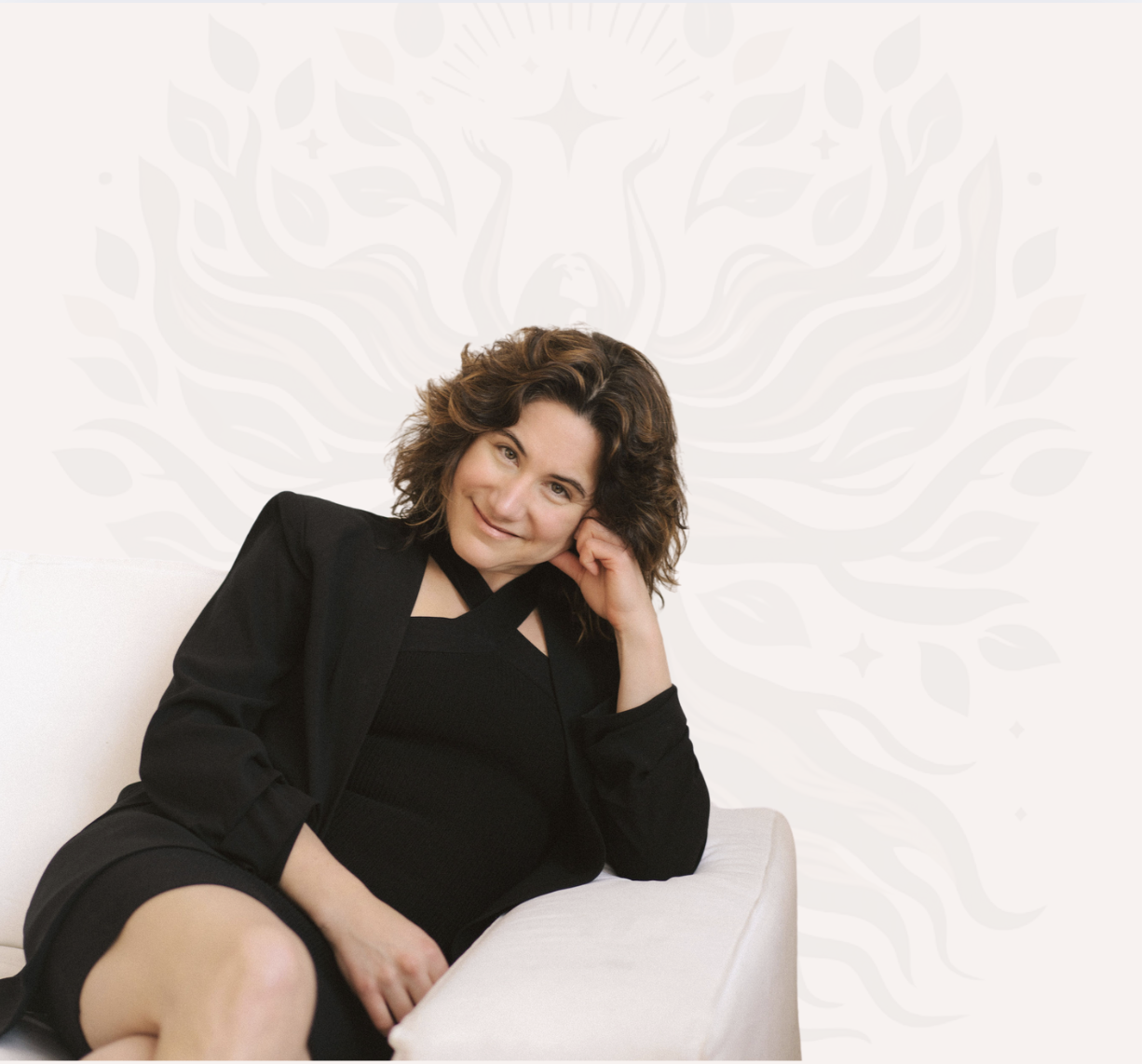
Kristy King, MD
What has changed is the science, and with it, our ability to listen to what the body has always been trying to say.
My story
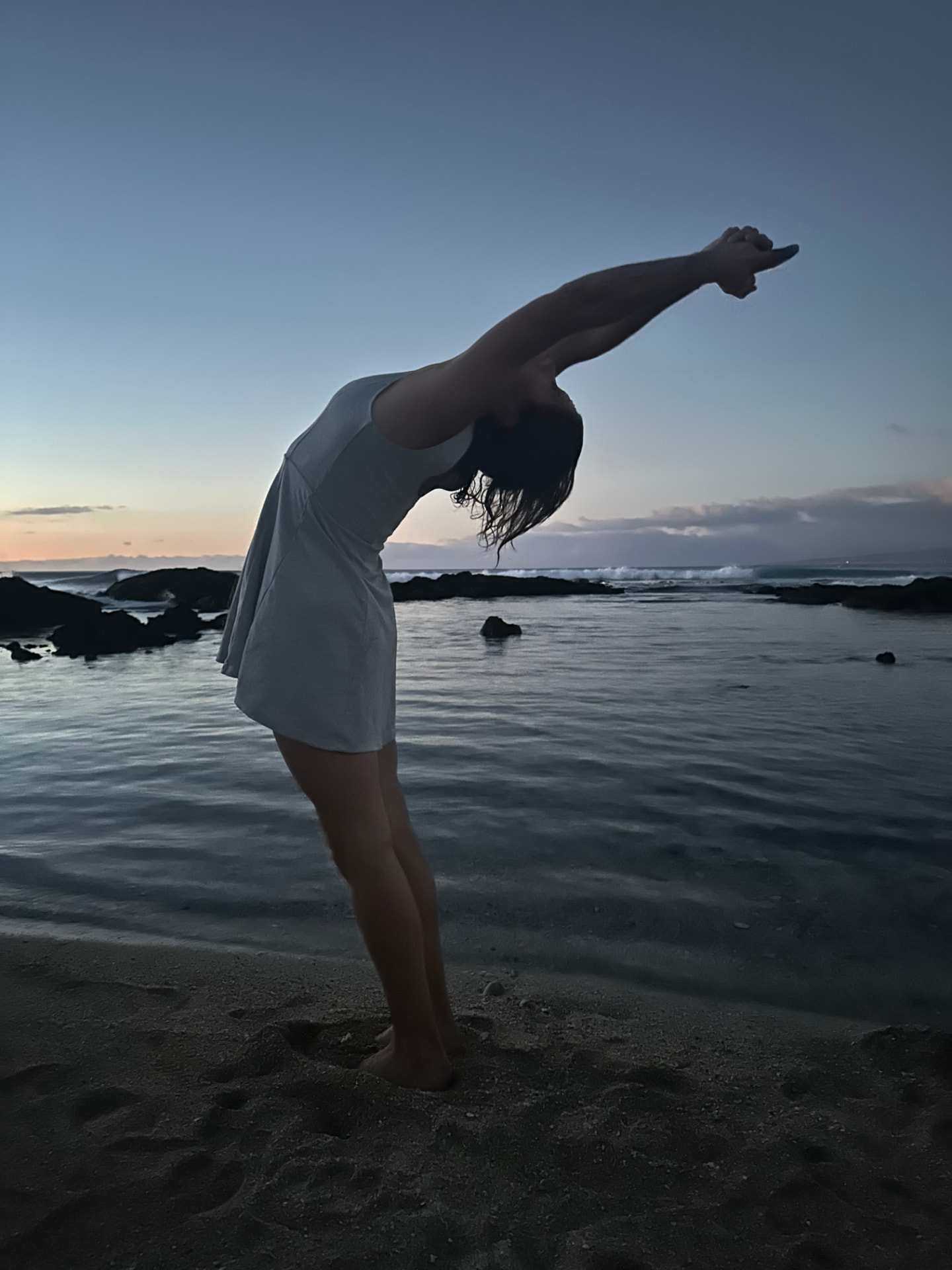
I became a physician because bodies kept telling me stories no one else was reading. I studied literature before medicine, and before either I spent years on the ocean, teaching people to breathe underwater and to sail.
What I learned there is what I practice now: living systems are intelligent, weather passes, and nothing on a boat or in a body is fixed by shouting at the part that failed.
I trained in family medicine in Washington and completed a fellowship in integrative medicine through the University of Arizona, then worked inside both conventional clinics and the newest telehealth platforms. What I saw in both places is why this practice exists.
I practice Eastern and Western medicine from Hawaiʻi Island, measured, not guessed, one physician who knows your name. The body was never broken. It has been keeping you alive the only way it could, and it responds when someone finally listens.
In Her Own Words
I began my medical journey because I believed in the body's innate capacity to heal. That belief has never changed. I trained at the seam of Eastern and Western medicine, not as a compromise between two traditions, but because I believed the real work happens at the place where they meet.
What has changed is the science.
Today, genomics, systems biology, and precision medicine are giving us unprecedented insight into how our biology interacts with our environment, our experiences, and our choices.
Our genes are not our destiny. They are a dynamic blueprint, continuously responding to the world around us. Health emerges from the ongoing conversation between our biology and our environment.
The purpose of precision medicine is not simply to personalize treatment. It is to deepen our relationship with our own biology.
When we understand that biology more clearly, we can make more informed decisions about how we eat, move, sleep, connect, recover, and care for ourselves, not to chase perfection, but to create the conditions in which health is most likely to emerge.
That is what Embody Your Medicine is about: not replacing the wisdom of the body, but learning to understand it more clearly than ever before.
My work brings together conventional medicine, genomics, environmental health, systems biology, women's health, and the emerging science of how our choices, experiences, and environments continuously shape our biology. Technology is not the destination. It is a tool that helps us listen more carefully to the remarkable intelligence of the human body.
I believe the future of medicine will be more personalized, more predictive, more preventive, and more participatory, but also more deeply human. My hope is that Embody Your Medicine becomes a place where rigorous science and human connection meet, helping people build a more informed and compassionate relationship with their own biology.
Our Philosophy
Precision for the body. Perspective for the mind.
Modern medicine often plays whack-a-mole with symptoms. One number is off, so we treat that number. Then another surfaces. Wellness culture answers with a bag of supplements and a new protocol every season. Neither approach asks the harder question: what is actually happening in this person, in this life, right now.
In my experience, real change more often starts when the mind gets quiet enough to see its own patterns. People rarely lack information. They lack the pause that lets them step back from their own racing thoughts, observe themselves clearly, and get out of their own way.
So my job is to give you both. The data: advanced diagnostics, hormones, metabolic and cellular detail, read over time rather than once. And the pause: care that makes room for perspective, including physician-administered ketamine-assisted care. The body responds to precision. The follow-through comes from a mind that has stopped fighting itself.
Kristy King, MD
A Practice Philosophy
- Biology in conversation: genes are a dynamic blueprint, continuously responding to environment, experience, and lifestyle. Health emerges from that ongoing conversation.
- Precision as relationship: the purpose of precision medicine is not to make care colder or more reductionistic. It is to make care more personal, more relational, and more deeply informed.
- The body's innate capacity: the physician's role is to create the conditions in which the body remembers how to heal. Not to override its intelligence. To return it.
The most useful question in medicine is rarely what is wrong with this person. It is what is this person's body trying to tell us.
Training & Licensure
Education & Training
- Fellowship: Completed a fellowship through the University of Arizona, 2017 to 2019
- Family Medicine Residency: Providence St. Peter / Chehalis Family Medicine RTT / University of Washington, 2016 to 2019
- MD: American University of Integrative Sciences, 2016
- Yoga Teacher Training: 200 hrs, 2025
- ABHRT Certification: Worldlink Medical, 2024
- Psychedelic-Assisted Psychotherapy: ATMA, 2023
- Journey Dance Teacher Training: 2016
- Studied naturopathic medicine: Canadian College of Naturopathic Medicine, 2009
- Doula Training: 2009
- BA, English Literature: University of British Columbia, 2007
Certification & Licensure
- Board Certified, Family Medicine (ABFM)
- Advanced training in bioidentical hormone therapy
- DEA License: Active
- Licensed in twelve states: Hawaiʻi, Washington, Colorado, Texas, Florida, Illinois, Nebraska, Missouri, Louisiana, Nevada, Wisconsin, Montana
- IMLCC Compact Eligible
- Co-Founder, International Integrators
- Academic Consortium for Integrative Medicine and Health
- American Academy of Family Physicians
- Washington Academy of Family Physicians
- Journal of Alternative & Complementary Medicine, 2014
Reading and Listening
Books and conversations that shaped how I practice. These are recommendations for your own exploration, not endorsements of my practice by their authors, and not medical advice.
- How to Change Your Mind, Michael Pollan a journalist's careful history of psychedelic research and the questions it raises about consciousness.
- The Ketamine Papers, edited by Phil Wolfson a clinician-facing collection on the history, practice, and ethics of ketamine in medicine.
- The Tim Ferriss Show, interview with Dr. John Krystal of Yale a long conversation with one of the researchers most responsible for the modern science here.
- Huberman Lab, the ketamine episode an accessible walk through the neurobiology for people who like to understand mechanism.
Place
The practice is rooted on the northwest coast of the island, pasture above, ocean below, volcanic terrain in between. The land is not the backdrop. It is part of the medicine.
A Method Meant to Travel
Embody Your Medicine™ began as one physician's practice. It is built, deliberately, to be learned, training for other physicians is in early development, so that the relationship this method depends on isn't limited to a single calendar.